 12 min
Stress and Anxiety
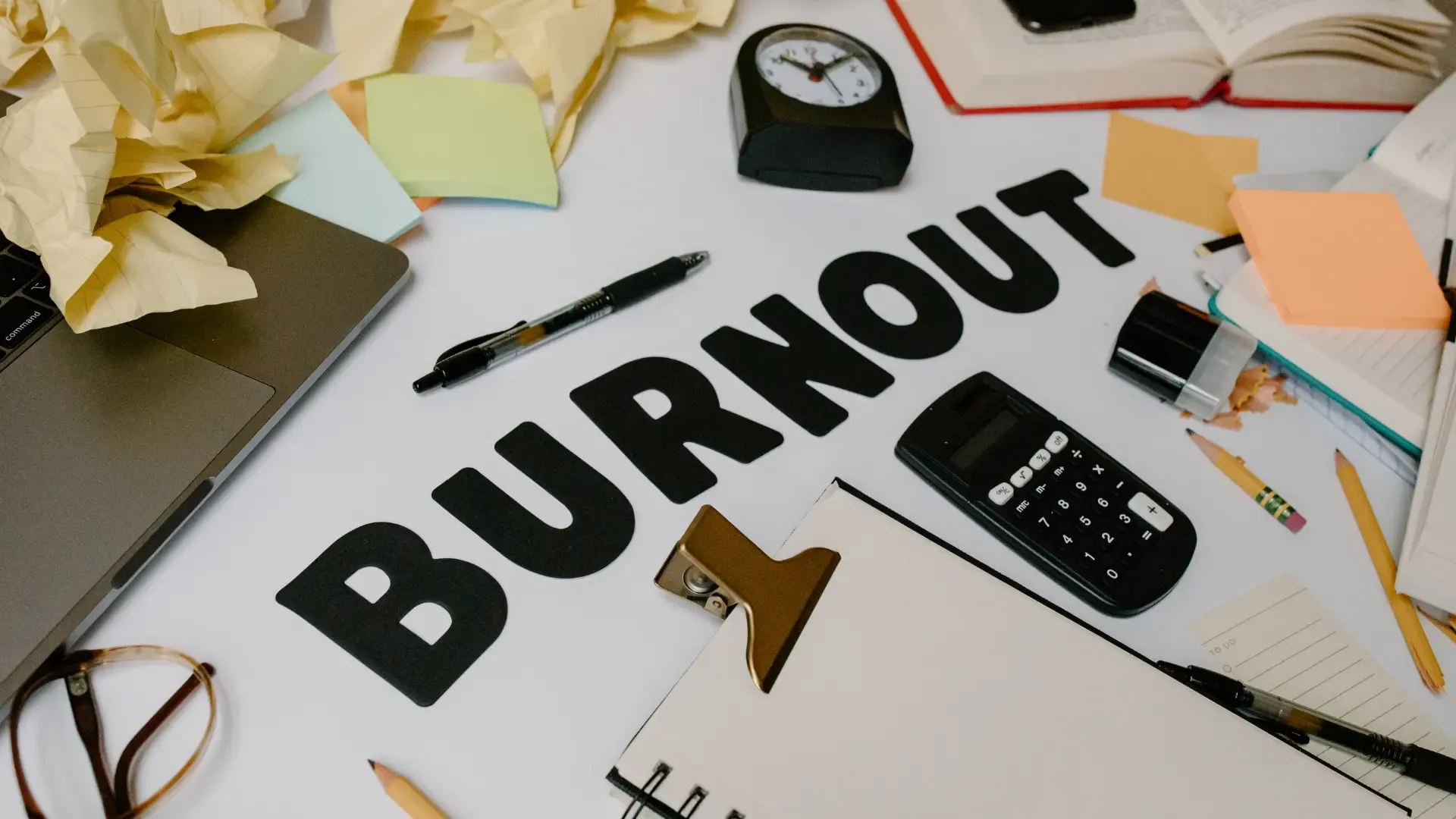
Burnout vs. Chronic Stress: How to Tell the Difference (and What Your Body Is Telling You)
Burnout vs Chronic Stress: What’s the Difference? Burnout and chronic stress can feel similar, but they are not the same thing. Chronic stress keeps your nervous system in a prolonged state of activation, while burnout is the state of depletion that follows. For women, hormonal fluctuations, caregiving demands, and the pressure to keep functioning can make the difference between the two harder to recognize.
 16 min
Stress and Anxiety
What Is the HPA Axis and Why Does Chronic Stress Dysregulate It?
What Is the HPA Axis and Why Does Chronic Stress Dysregulate It? The HPA axis is your body's primary stress response system - a communication loop between your brain and your adrenal glands that releases cortisol when you face a threat and is supposed to switch off once the threat has passed. When chronic stress keeps it activated too long, that shutdown mechanism stops working properly. This article explains how the system works, what dysregulation actually looks like, and why women are particu
 21 min
Stress and Anxiety
7 Somatic Exercises for Anxiety Relief (Science-Backed, Step-by-Step)
Somatic exercises are body-based practices that work directly with your nervous system to interrupt anxiety at its physiological root - not by changing how you think, but by changing what your body is doing. Unlike cognitive tools, they bypass the thinking brain entirely and send safety signals straight to the part of your nervous system that decides whether you're in danger. This guide covers 7 evidence-backed techniques with step-by-step instructions you can use at home, at work, or anywhere a
 26 min
Stress and Anxiety
Polyvagal Theory Explained Simply: What It Means for Your Anxiety
Polyvagal theory is a framework for understanding how your autonomic nervous system (the part of you that runs below conscious awareness) determines whether you feel safe, anxious, or completely shut down. Developed by neuroscientist Dr. Stephen Porges, it explains why your body responds to stress the way it does, why you can't always think your way out of anxiety, and what you can actually do about it. This guide explains the full framework in plain language, with no jargon left untranslated.
 16 min
Stress and Anxiety
The 4 Nervous System States Explained: Fight, Flight, Freeze, and Fawn
The 4 Nervous System States Explained: Fight, Flight, Freeze, and Fawn Your nervous system has a few main ways of responding to stress. Sometimes it mobilizes you into action. Sometimes it makes you want to run, hide, shut down, or please everyone around you. These are not personality flaws. They are survival states, and they help explain why you react the way you do under pressure. You may have heard the phrase "fight or flight" before. But there are actually four nervous system states that sha
 15 min
Stress and Anxiety
How Cortisol Changes Across Your Menstrual Cycle (And Why It Explains So Much)
You've probably noticed it. The week where everything feels manageable - where you handle the hard things, bounce back quickly, and feel like yourself. And then, a couple of weeks later, the same life feels completely different. The same stressors hit harder. Recovery takes longer. Your patience runs out faster. You feel things more intensely, and you're not entirely sure why. Here's what most health content won't tell you: that shift is not random. It's not a mood disorder. It's not you being i
 16 min
Stress and Anxiety
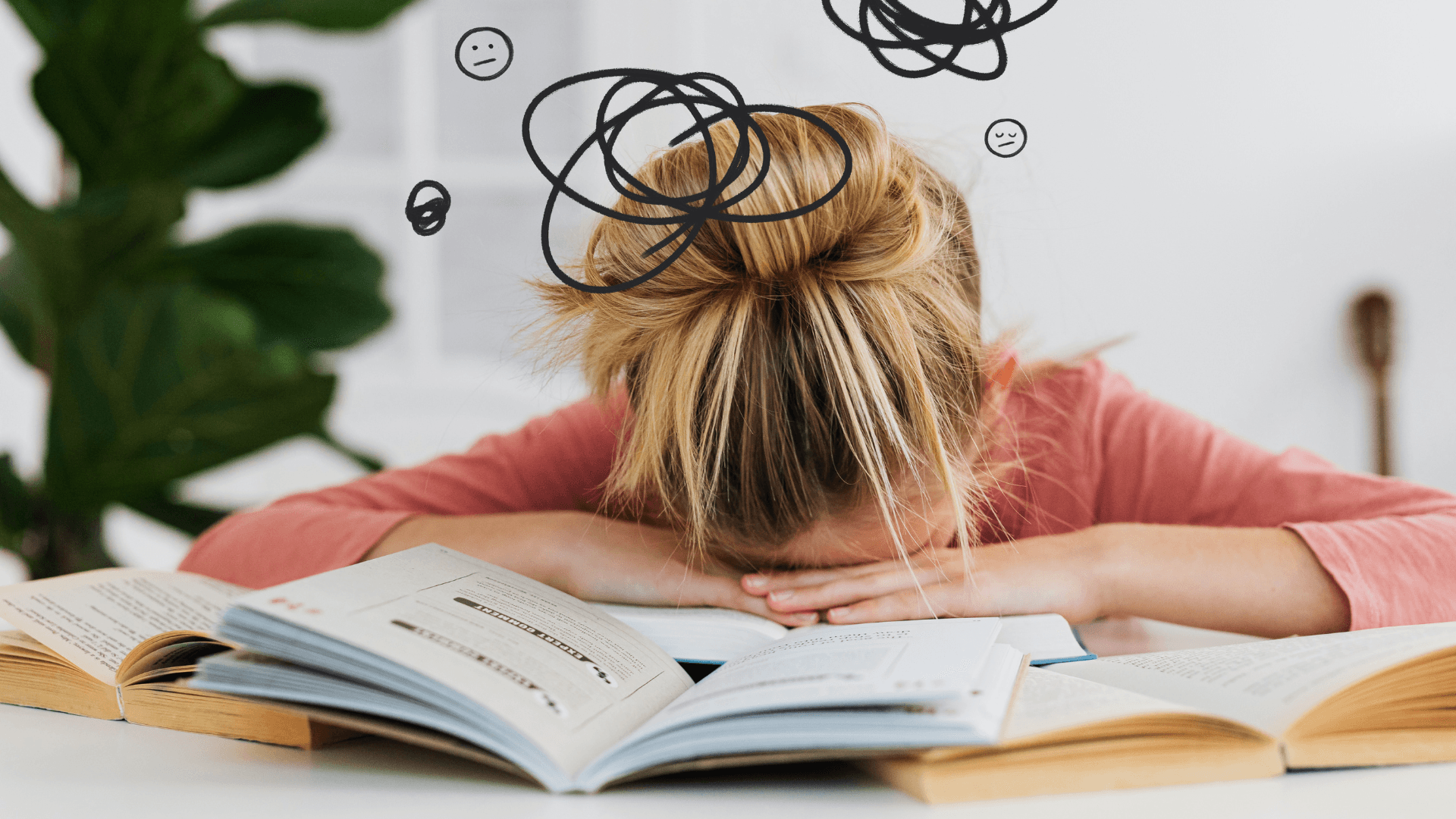
What Is Nervous System Dysregulation? Signs, Causes & How Women Can Heal
You know that feeling of being exhausted but unable to sleep? Anxious for no clear reason? Snapping at someone you love and not quite understanding why? That's not a character flaw. That's not weakness. That might be your nervous system, and it's trying to tell you something. Nervous system dysregulation is a state in which the autonomic nervous system loses its ability to return to calm after stress. Instead of cycling naturally between activation and rest, the body gets stuck: either locked in
 15 min
Stress and Anxiety
Money and Stress: Why Financial Pressure Hurts Your Mental Health and How to Cope
That low, anxious feeling you get when you check your bank account. The list of bills you keep in your head as you try to fall asleep. The shame you feel when you pamper yourself, and then the crushing weight of "what if." You're not alone. According to the APA's 2024 Stress in America report , money was cited as a significant personal stressor by 64% of U.S. adults, and women were more likely than men to rate money as a significant source of stress (66% vs. 61%). When you're stressed about mone
 13 min
Stress and Anxiety
What Is Financial Stress? 6 Key Symptoms and How to Deal with It
According to the APA's 2024 Stress in America report , the economy was the second most common source of significant stress among U.S. adults, reported by 73% of respondents, making financial pressure one of the most universal stressors in the country. When every bill feels like a mountain, that's financial stress: the worry, pressure, and uncertainty about money that doesn't clock out when the workday ends. This isn't just about a tight budget. It's a state of constant concern that can dominate
 15 min
Stress and Anxiety
STOP Method for Anxiety: How to Pause and Calm Your Mind
Your heart beats, your mind races, and you just do what you need to do. We all have times when we get a caustic email from a coworker, have a stressful encounter with a partner, or suddenly feel worried for no reason. At that point, your fear takes over, and you go from trigger to reaction without even thinking about it. The STOP method works because it interrupts a well-documented neurological loop. When anxiety spikes, the amygdala hijacks the prefrontal cortex - the brain's decision-making ce
 20 min
Stress and Anxiety
Stress Cleaning: Why Tidying Up Could Be Your Secret Stress-Relief Tool
When Life Feels Messy, Inside and Out According to the APA's 2024 Stress in America report , chronic stress significantly affects the majority of U.S. adults, with significant proportions reporting that stress has a strong impact on their physical health, mental health, and relationships. Some days, the world seems like it's falling apart. You look around and see a pile of mail on the counter, dirty dishes in the sink, and dust on the shelves. This external mess often reflects the mental noise w
 13 min
Stress and Anxiety
AI for Stress Management: How Smart Tech Can Calm Your Mind
When Stress Feels Like the New Normal You know how it feels. Your phone buzzes with a new email, reminders keep popping up, and your to-do list never ends. News alerts and social media notifications pull your attention in every direction. This is the modern reality of mental overload — the perfect storm for stress. But what if technology could help calm, not worsen, this cycle? AI for stress management is reshaping how we detect, understand, and respond to daily tension. In simple te
Page 1 of 11Next →